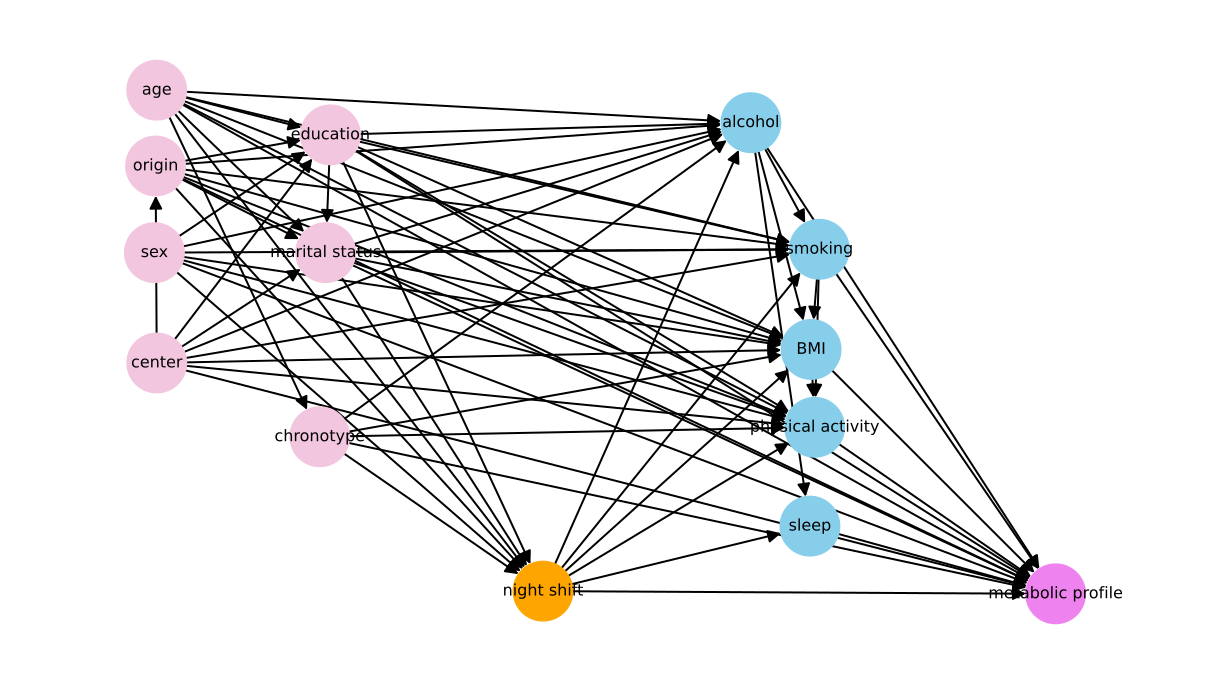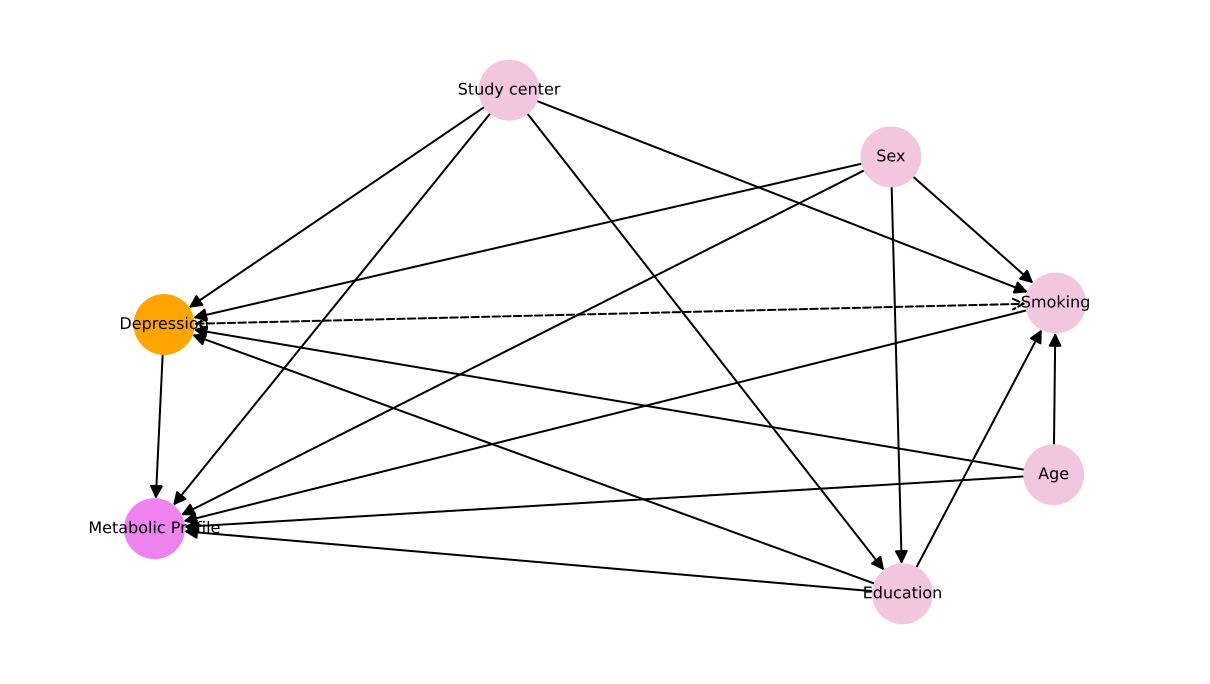

The directed acyclic graph (DAG) represents the hypothesized relationships between depression and metabolic profile, including potential confounding variables. Depression was considered the main exposure and metabolic profile the outcome of interest. The covariates included were age, sex, education, smoking and study center and they were selected based on their potential influence on both the exposure and the outcome. According to the DAG, the minimal sufficient adjustment set for statistical models contained age, sex, education, smoking and study center for estimating the total effect of depression on metabolic profile.
Browse graphs
-
September 14, 2026 (v1)Acyclic Directed Mixed GraphOpen
-
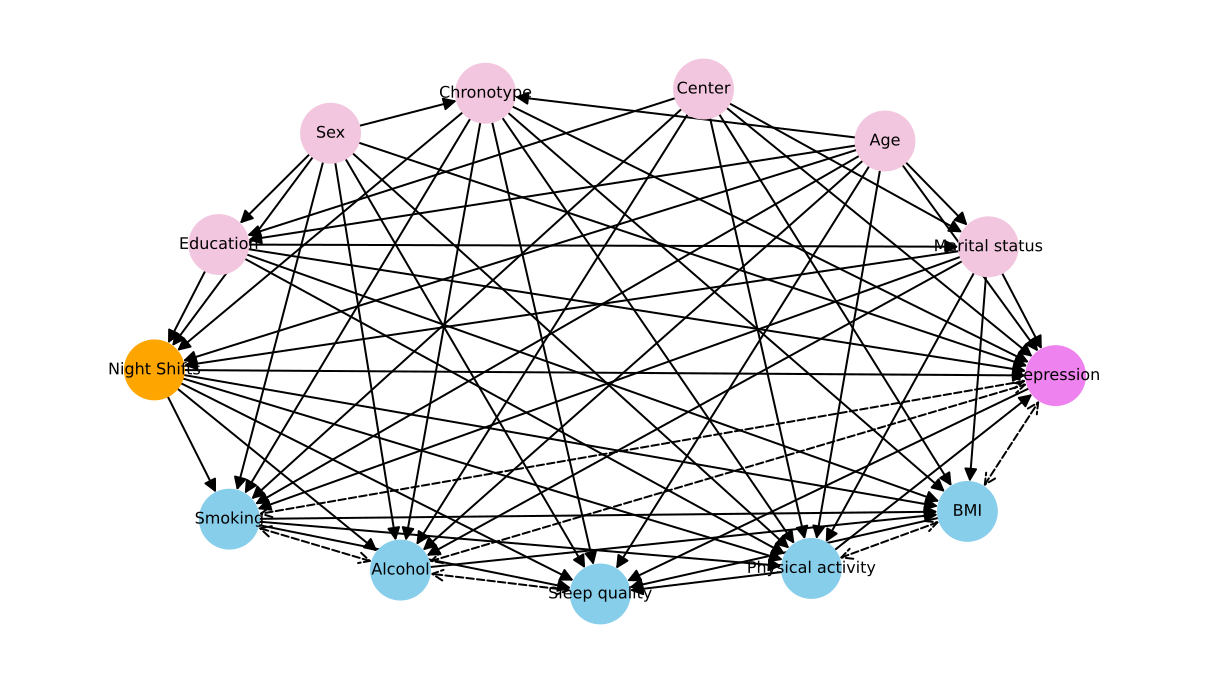
The directed acyclic graph (DAG) represents the hypothesized relationships between night shift work and depression, including potential confounding and mediating variables. Night shifts were considered the main exposure and depression the outcome of interest. Sociodemographic and lifestyle-related factors, including age, sex, education, marital status, smoking, alcohol consumption, BMI, physical activity, chronotype, sleep quality, and study center, were included as covariates based on their potential influence on both the exposure and the outcome. The DAG also includes interrelationships among these variables, reflecting plausible causal pathways identified in the literature. According to the DAG, the minimal sufficient adjustment set for statistical models …
May 26, 2026 (v1)Acyclic Directed Mixed GraphOpen -
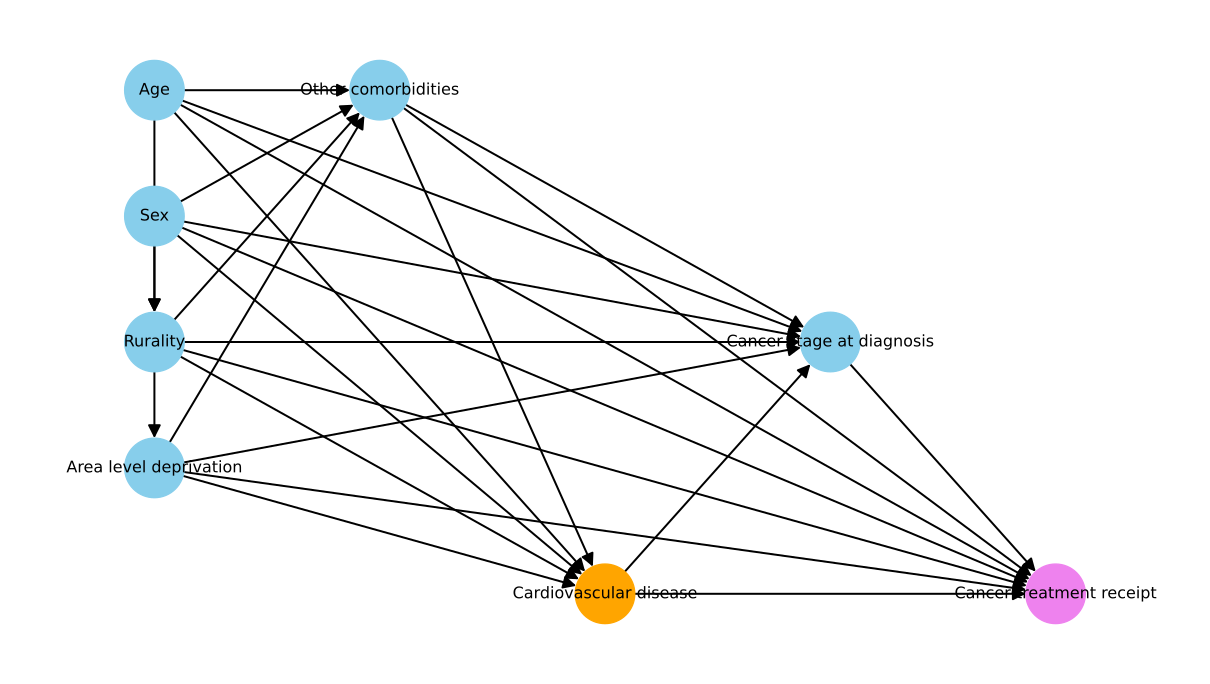
This directed acyclic graph is used to inform the estimation of the total causal effect of pre-existing cardiovascular disease on cancer treatment receipt using population-based cancer registry records in Northern Ireland. Northern Ireland Cancer Registry (NICR) has collected cancer data for NI residents since 1993, using pathology reports, hospital records, and death registrations. Cancer Information Officers verify diagnoses following international standards, and can also use additional data from radiotherapy, chemotherapy systems and multidisciplinary team discussions records. All patients aged 18 or older who were diagnosed with cancer, excluding non-melanoma skin cancer, for the first time in NI between 2009 and …
December 10, 2025 (v1)Directed Acyclic GraphOpen -
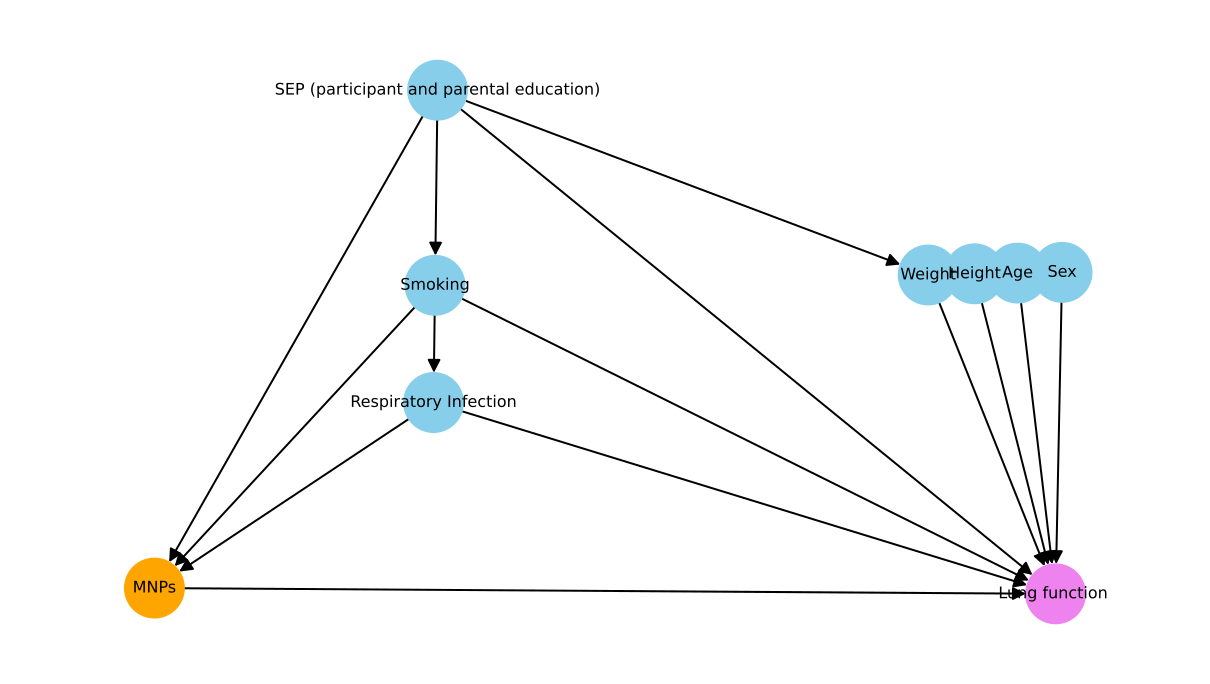
The study quantified micro- and nanoplastic (MNP) exposure in young adults by analyzing whole-blood samples using pyrolysis gas chromatography–mass spectrometry (1). Lung function—specifically forced expiratory volume in one second (FEV₁) and forced vital capacity (FVC)—was assessed through standardized spirometry following international recommendations as previously done in the PIAMA cohort (2). For the statistical models, the minimally sufficient adjustment set included age, sex, height, and weight at the time of blood collection. The fully adjusted models additionally accounted for recent respiratory infections within the preceding three weeks (yes/no), the participant’s educational attainment (higher vocational education or university, yes/no), parental educational attainment …
December 2, 2025 (v1)Directed Acyclic GraphOpen -
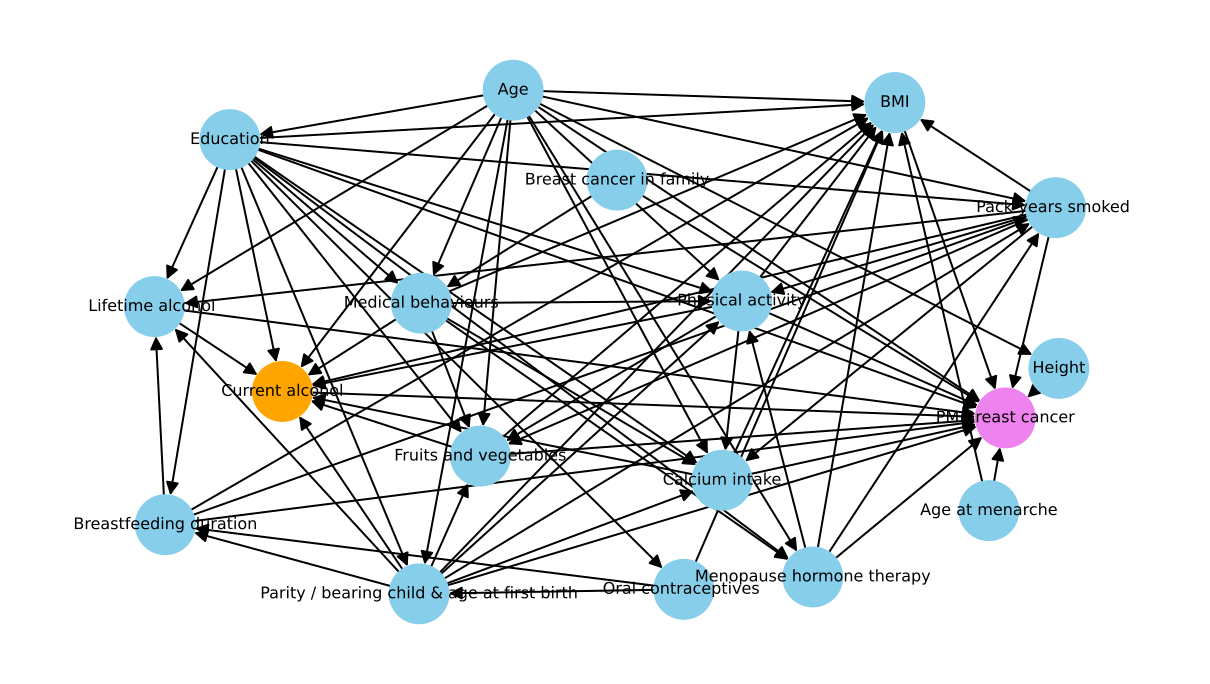
This DAG represents the causal relationship between current alcohol intake and incidence of breast cancer in postmenopausal Norwegian women. Women were randomly recruited in the Norwegian Women and Health (NOWAC) cohort study from 1996 to 2004. For this analysis we included 32 735 women included who reported that they consumed alcohol and were not prevalent cancer cases. This study was designed to address the effect of light-moderate drinking since the majority of women in this cohort (~95%) reported no more than 1 drink/day. Except for the outcome, other nodes in the DAG represent self-reported variables collected at baseline only (1996-2004), …
November 18, 2025 (v1)Directed Acyclic GraphOpen -
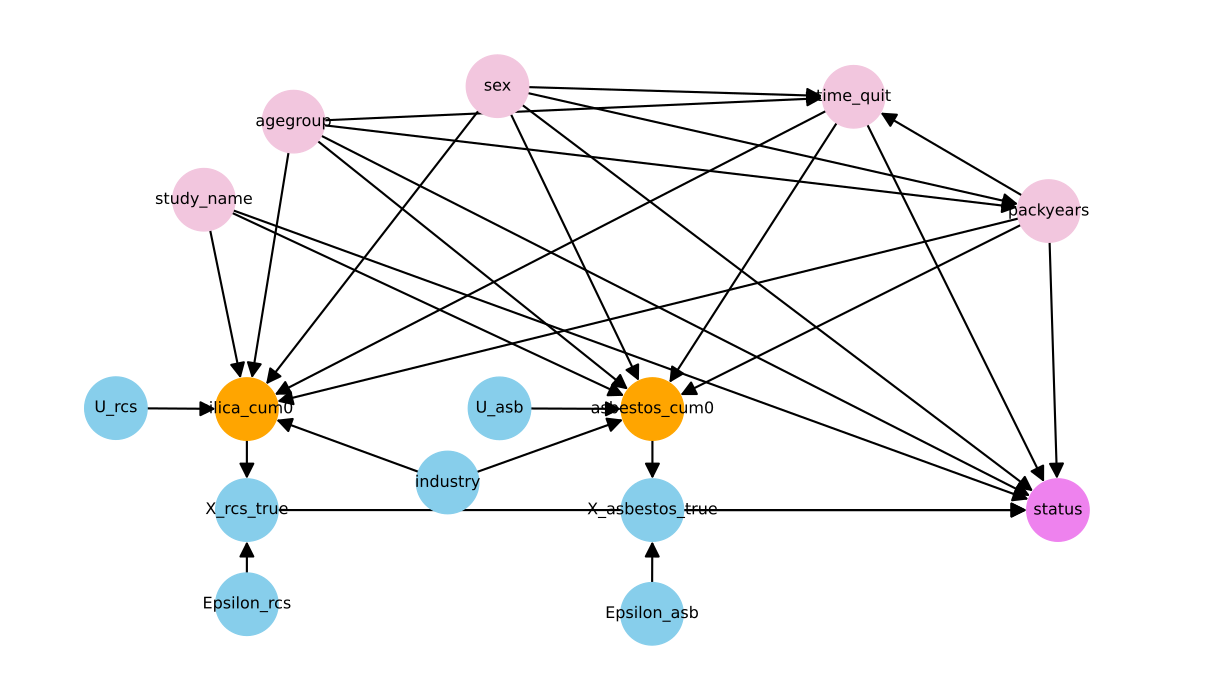
This directed acyclic graph is used to inform the estimation of the causal effect of lifetime cumulative exposure to asbestos (main exposure) on lung cancer (outcome) in the context of individual participant data (IPD) meta-analysis of the SYNERGY pooled case-control study [1]. Co-exposure to other occupational lung carcinogens is represented with respiratory cristaline silica (RCS) as a motivating example. True exposure is unobserved (X_asb_true and X_rcs_true) and thus estimated with the job exposure matrix SYN-JEM (asbestos_cum0 and silica_cum0), resulting in loss of individual variation (Epsilon), and exposure error terms (U) that are independent of outcome status (Berkson-type error) [2]. The …
November 13, 2025 (v1)Directed Acyclic GraphOpen